E-Invoicing for RCM Self-Invoices from 1 January 2027
Eligible registered taxpayers will have to generate an Invoice Reference Number (IRN) for specified self-invoices under the Reverse Charge Mechanism (RCM) from 1 January 2027. To help taxpayers prepare, GSTN has proposed opening the live facility from 15 December 2026, with voluntary use from 15 to 31 December 2026.
Transactions covered.
The advisory follows GSTN’s earlier advisory dated 16 October 2026, issued after the recommendation of the 57th GST Council meeting. Under the usual B2B e-invoicing process, the registered supplier reports the invoice. For these transactions, the eligible registered recipient reports its own self-invoice. The recipient should select RCMDOM for domestic supplies of goods or services received from an unregistered supplier where the recipient is liable to pay GST under RCM, and RCMIMP for services received from a supplier outside India where the recipient is liable to pay GST under RCM. The authorised Invoice Registration Portal (IRP) generates the IRN after validating the required invoice details.
Voluntary reporting in December.
If the live facility is enabled as proposed, eligible taxpayers may generate IRNs for genuine transactions during the voluntary period to check that their systems are ready. For both codes, the live system will accept only documents dated 15 December 2026 or later. Sample or dummy data must be used only in the sandbox, which is the separate testing environment. The December rollout does not bring forward the mandatory start date of 1 January 2027.
Testing and preparation.
The facility is already available for testing on all six authorised IRPs, and the same validation rules and codes apply across all six. Taxpayers, GST Suvidha Providers (GSPs), Application Service Providers (ASPs), ERP providers and other integration partners should complete the necessary system changes, integration and testing well before 1 January 2027. They should also inform their wider network of partners and help them prepare. For technical specifications, validation rules, error codes and other implementation requirements, refer to the NIC IRP‑1 release notes and documentation on the NIC e-Invoice API Developer Portal.
Applicability and exemptions.
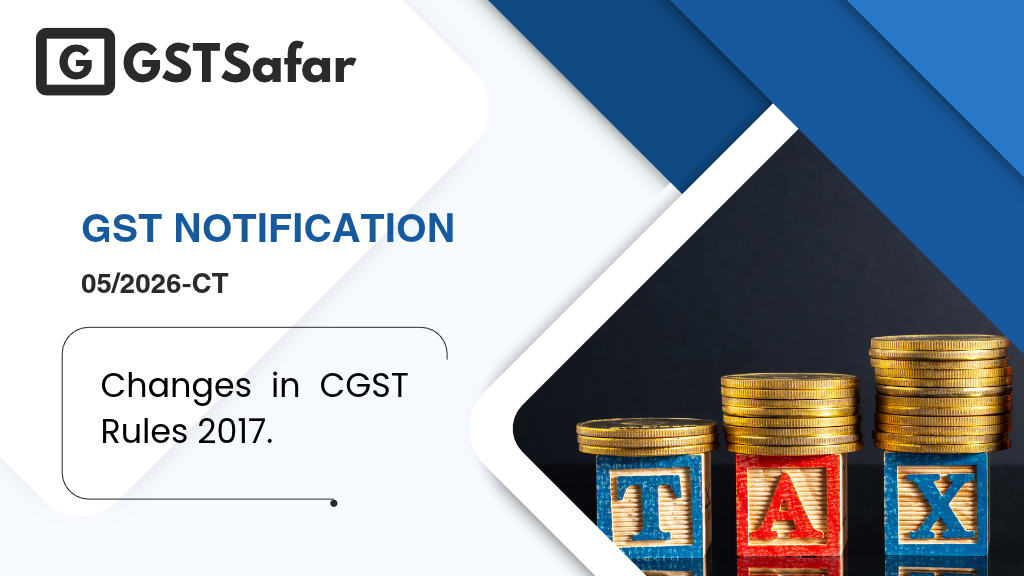
Notification No. 04/2026–Central Tax extends e-invoicing to these transactions, while Notification No. 05/2026–Central Tax makes the corresponding changes to the CGST Rules and e-invoice format. Both notifications are dated 26 October 2026. The October advisory described the facility as intended for taxpayers with aggregate annual turnover of ₹5 crore and above, subject to the notified provisions. For deciding legal applicability, the underlying e-invoicing notification uses “exceeds ₹5 crore”. Taxpayers should refer to the applicable notifications and government circulars for the exact scope, exemptions and compliance requirements, and check the official e-Invoice portal for further updates.